
Moving a piano takes more planning than moving ordinary furniture. Piano movers in Dallas, TX can account for stairs, tight spaces, access, and final placement.
The word “piano” can describe instruments with very different shapes, proportions, and physical configurations. Upright, baby grand, and grand pianos have different relocation requirements. Before a piano move is defined, useful information includes the instrument type, approximate dimensions, current position, surrounding clearance, and any features that may affect how it travels through the property.
Customers comparing piano movers in Dallas, TX should also describe both the pickup and delivery environments. A piano beside a level exit has a different relocation path than one separated from the vehicle by stairs, narrow turns, landings, or an elevator. Distance matters, but the physical route surrounding the instrument can be just as important.

A piano can have plenty of space inside a room and still face a difficult path to the outside. The route has to work continuously, not at a single doorway. Corners, hallway widths, stair direction, landings, railings, elevators, floor changes, and the instrument’s own dimensions can all become relevant between its starting position and the moving vehicle.
Knowing the piano type and approximate dimensions gives the relocation discussion a clearer starting point than simply describing the item as large or heavy.
The complete travel path needs enough usable space for the piano to pass through straight sections, turns, elevation changes, and restricted transitions.
Consider the final room and intended placement before delivery so the instrument reaches a purposeful endpoint without unnecessary repositioning.
Corporate moves do not need an unnecessarily complicated moving process. Master Movers Inc supports company-arranged household relocations by keeping the physical move focused on what the employee needs moved and what the employer has approved. That gives businesses a practical option when they need corporate relocation services in Dallas, TX without turning a household move into a larger administrative project. Customers preparing other household belongings can separately consider packing services in Dallas, TX based on the move’s broader needs.
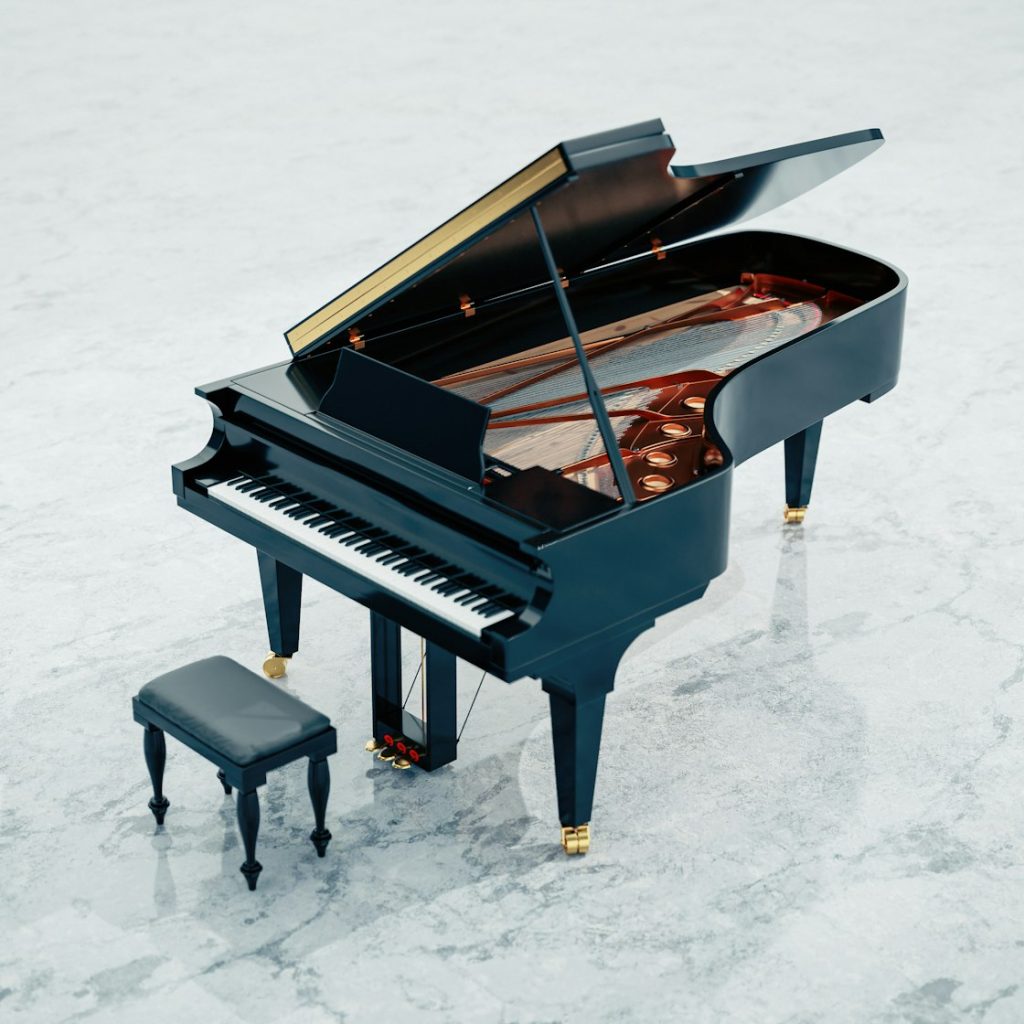
Instrument type, approximate size, location within the property, and any known identifying information help define the physical characteristics involved in the piano relocation.
Describe the current location from the piano outward, including doors, hallways, turns, stairs, landings, elevators, and other transitions before exit.
Delivery conditions deserve separate attention because a piano that leaves one property easily may encounter different dimensions, floor levels, turns, or obstacles at destination.
Discuss piano relocation specifically, rather than assuming an instrument automatically falls within a standard household move or packed-item service.
A successful piano relocation starts with identifying the instrument, tracing the full path at both properties, and deciding exactly where the piano should end up.
01
Record the instrument type and approximate dimensions.
02
Follow each doorway, turn, stair, and transition.
03
Choose the intended destination location beforehand.
The tuning intended to address changes associated with relocation is generally more useful after the piano has reached its new environment. A move and changes in temperature or humidity can affect tuning. Ask a qualified piano technician or the manufacturer how long the instrument should acclimate before its post-move tuning.
Start with the instrument’s overall shape, manufacturer or model information if available, and approximate measurements. Do not guess if you are uncertain. Accurate descriptions help the moving company determine what additional details are needed before discussing or quoting the piano relocation.
A doorway measures one opening, but a landing may require the instrument to turn before continuing along the route. The available turning area can therefore matter separately from door width. Consider stair direction, landing dimensions, railings, ceiling clearance, and the piano’s shape when assessing the full path.
Yes. Customers comparing piano movers in Dallas, TX should describe both locations because the instrument must complete two different property routes. Floor level, stairs, elevators, doorway dimensions, hallway turns, and final room placement may differ completely at delivery from the original property.
Choosing the intended position beforehand can reduce unnecessary movement after the piano reaches the room. Consider available floor space, nearby doors, walking paths, and the manufacturer’s guidance on instrument placement. For questions about sunlight, humidity, HVAC exposure, or other environmental conditions, discuss them with the piano manufacturer or a qualified technician.
Tell Master Movers Inc what piano is moving, where it sits, and what the complete route involves.